Losing originality half way through a campaign comes almost as second nature to content writers. It isn’t unusual to find yourself grappling for fresh pieces right after you have successfully crossed the top-of-the-funnel mark. The strategy is in place, with so many ideas yet to be explored. But somehow you find yourself either repeating the same sentences or highlighting the same features but from a “different angle”.
That’s what the second part of Night School Studio’s ‘Oxenfree’ feels like.
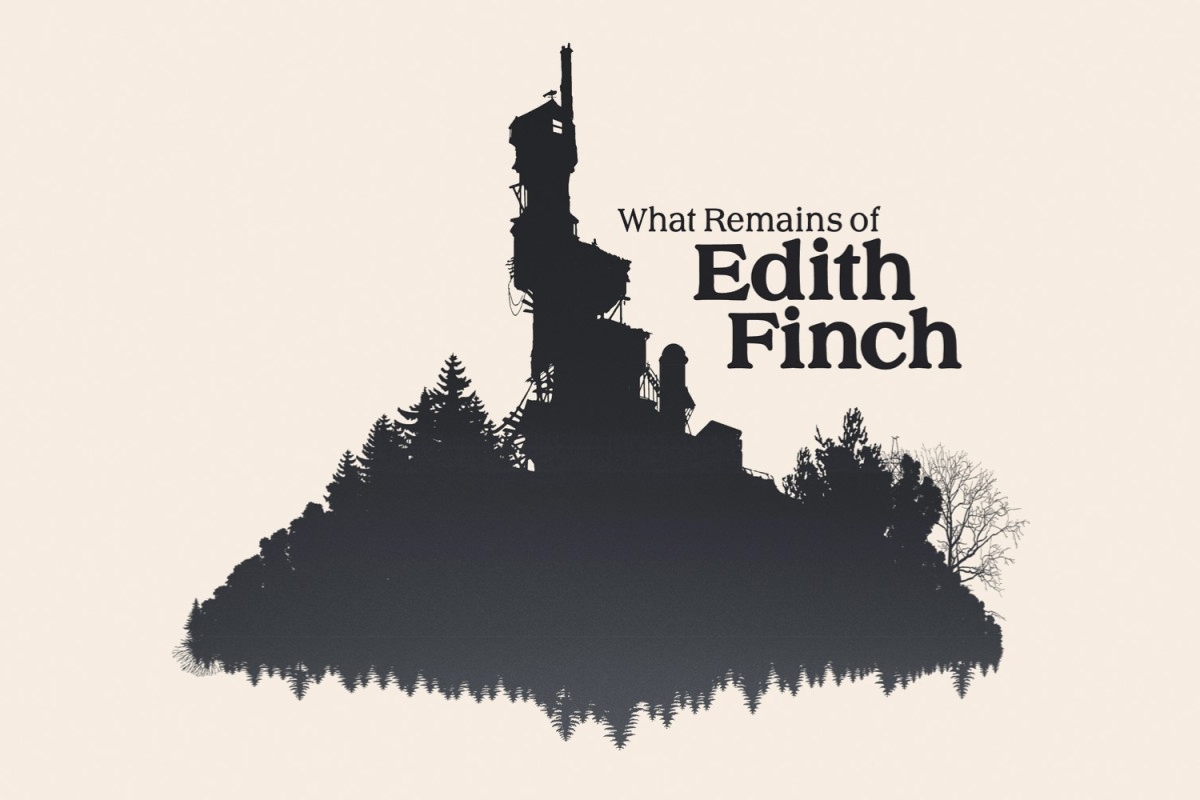
I played Oxenfree Part I when I was bedridden from an operation. And it was also the first video game I ever played after maybe GTA Vice City back in 2010. Oxenfree changed how I had perceived the concept of gaming – all nothing but a distraction serving human kind’s most latent urge to thrive in adventure.
But Oxenfree changed that
I was taken aback by the story, the art, the music, the immersive style, and also the characters. The whole experience felt like an eerie love child of Stranger Things and Doctor Who served on a plate. What I enjoyed the most was that it was a horror game without the element of fear crawling under your skin. Here I have to confess, that I cannot watch horror movies alone. On any normal day I would avoid it, habitually.
The game takes place in Edwards Island where Alex and her friends open a ghost rift by mistake. What was supposed to be an overnight party ends up taking a frantic turn as the island’s mysterious past comes to life. You as Alex have to use the resources at your disposal, whether that’s an old radio or a conversation with a friend, to decide the next steps in tackling the paranormal activities.
Part I is what neat content looks like. The idea is fresh, the story flows in a linear structure with all the necessary deviations. Each character, no matter how small, acts as a catalyst in pushing the story towards its destiny. And depending on your decisions, there are consequences which will lead the game in unforeseen directions.

How you interact with other characters can have consequences in the game. Image source: Night School Studio
Most launch-phase content feel like that…at least from the writer’s perspective. It is charged with the prospect of something new. There’s curiosity, an excitement to tell a never-before told story, you are also brimming with fresh angles because maybe even to you some of those informations are new.
But as soon as you gradually move towards the next phase, that freshness dries out. You might carry with you the same content, the right designs, and also a better understanding of what you are talking about, but you can feel the fatigue setting in.
That’s what happens with Oxenfree II, it is simply tired!
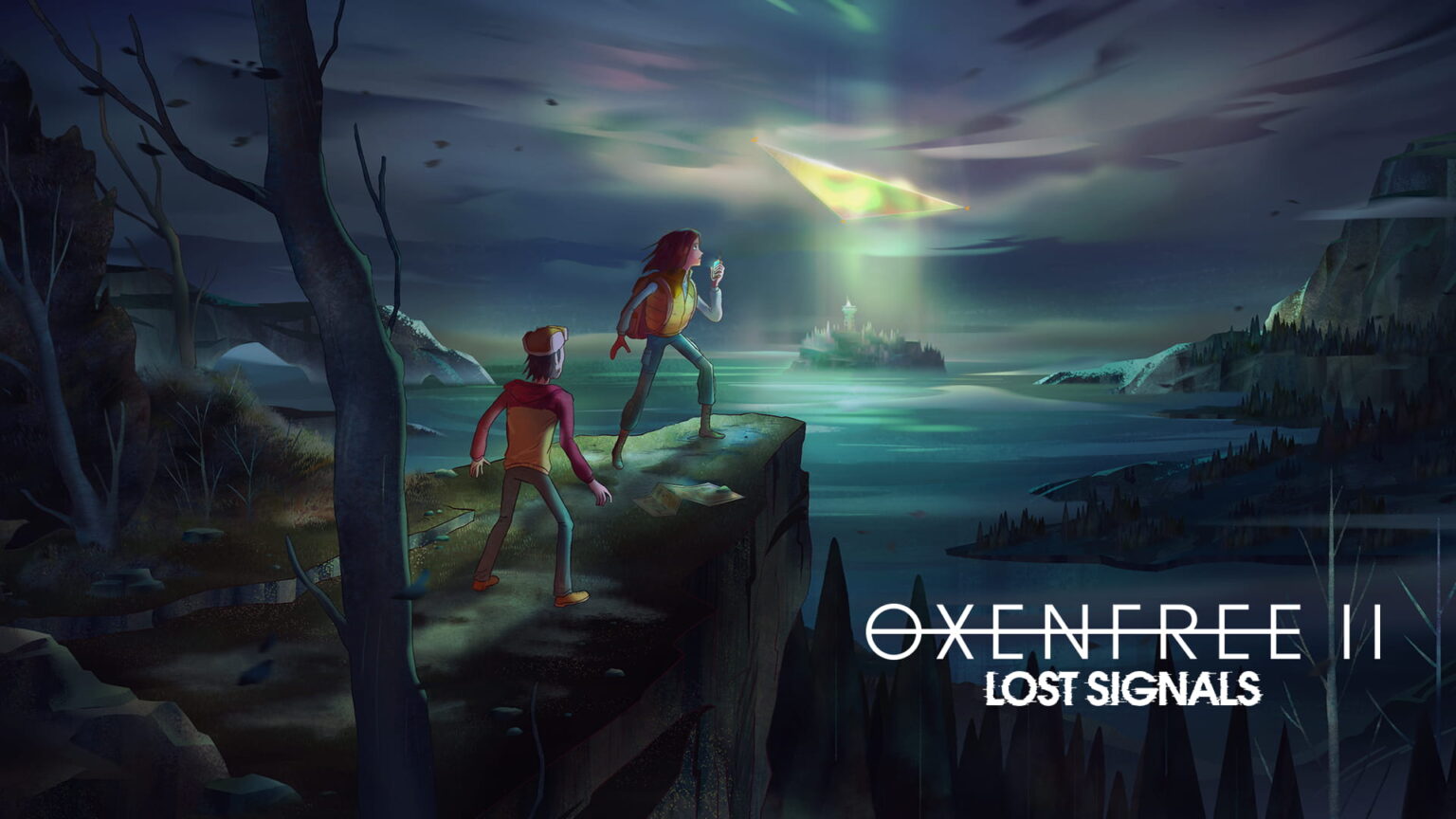
The problem was that the sequel, which follows a new character Riley, relied too heavily on the same idea. Riley’s journey takes place on Camena, a small coastal town overlooking Edwards Island, after nearly 5 years of the events from the first part. A lot like Alex, she too has to investigate the eerie episodes that are happening in her town, as she discovers hidden stories, explores new landscapes, and sometimes recalls the events on the island.


Riley returns to Camena only to find the same eerie events which we saw in the first part. Image source: Night School Studio
But, despite the same mechanics and settings, as well as the masterful art, the story severely falls short of creating any sense of adventure. The surprise element was expectedly gone, but so were the adorable friends, the relevant back stories, and the living history of the places that the characters explored. It all felt like a sapped repetition of the same things.
A lot like when you have already written the fifth blog post in the campaign, and realise that it sounds like the second one. Once you are done with the first part of the campaign about informing the audience, creating the buzz, and maybe even gathering a few leads, somehow the next phase for most B2B campaigns ends becoming chapters of dry descriptions about product features.
Your thought leaderships provide no new thesis, and most of your CTAs say the exact same thing.
This is where content writers need to think narratively. Campaigns, like stories, must have an arc. They need pacing, progression, rising stakes, and shifts in voice or format. Without that, even the best products start sounding static.
Small twists matter in a campaign
I don’t know what could have saved Oxenfree II as I am not a game developer or designer, I simply play them because I like exploring stories in multiple formats. But I do know that I missed Alex’s friends who added unique perspectives to her story, and also the split-second scenes that would give you a jump scare out of nowhere.
It is those little, eccentric moments in a campaign that keeps it going. Sometimes give the audience what they don’t need, but maybe want. The launch article doesn’t have to be a feature length piece about all the complex features, but a short interview with the product developer and an even shorter explainer video to get the audience a bit more excited!